

A team of researchers has developed a mobile application that can include tests for early detection of dementia. According to the scientists, the data collected by the mobile app including voice recordings and body movements helped them in developing the new tests. The researchers maintain that the newly developed testing method is “comparable to gold-standard methods” and could detect frontotemporal dementia (FTD) – a common cause of dementia – at the genetic level before symptoms start.
Read More
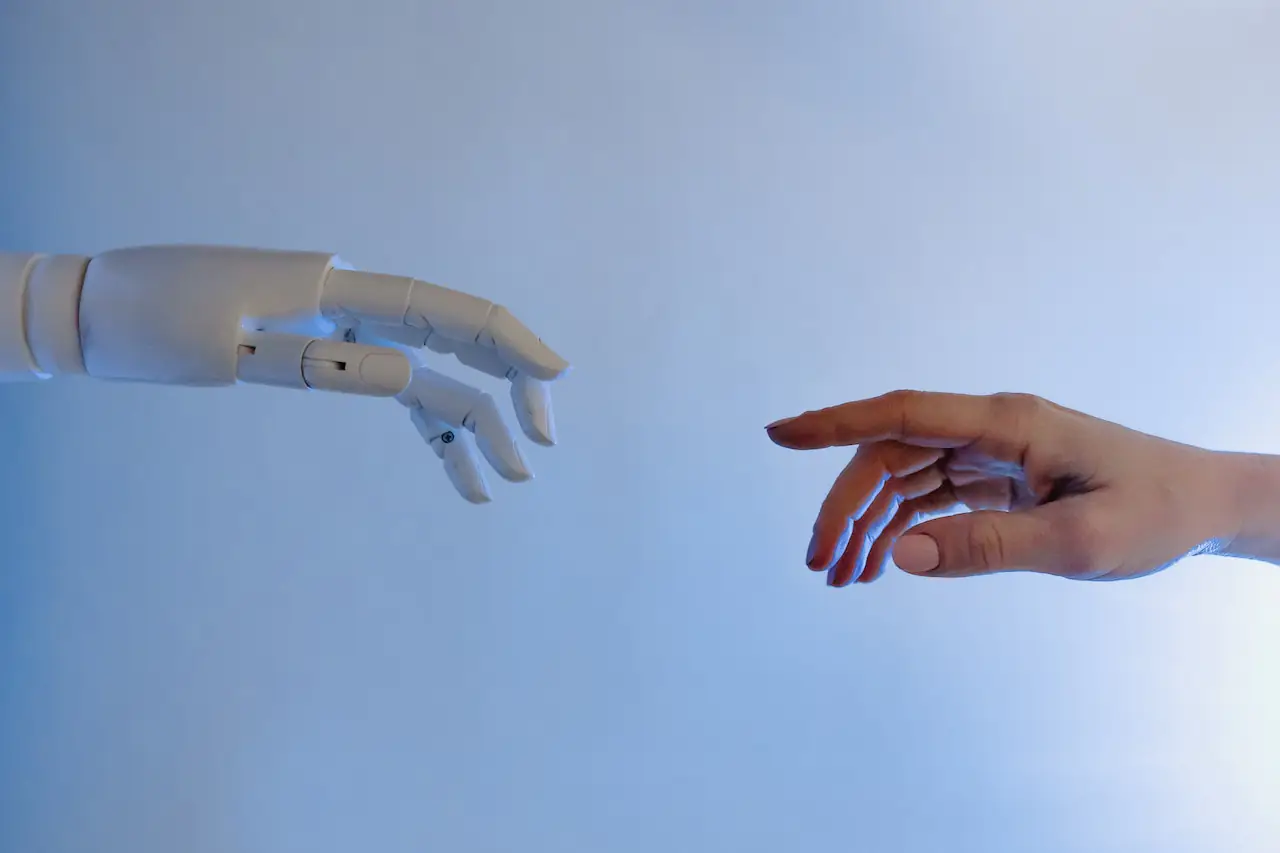
A team of researchers at Kyushu University has developed a new machine-learning model that can precisely make prognosis predictions for patients with osteosarcoma, based on the density of viable tumor cells post-treatment. Osteosarcoma is a type of bone cancer that predominantly affects adolescents. Reliable models that can predict prognosis and treatment response can help improve patient outcomes.
Read MoreThe department of pharmaceutical (DoP) has formed a five-member committee to review the pricing framework for drugs and medical devices. The committee will prepare the draft for a new new Drug (Prices Control) Order (DPCO) that will replace the existing 11-year-old policy that fixes the ceiling price of scheduled drugs and regulates the prices of non-scheduled drugs in the country.
Read More

Neurological conditions such as epilepsy, Alzheimer‘s disease and dementia are now the leading cause of ill health and disability globally, affecting 3.4 billion people in 2021, according to a major new analysis published in The Lancet Neurology journal. Globally, the number of people living with, or dying from, neurological conditions such as stroke, Alzheimer’s disease and other dementias, and meningitis has risen substantially over the past 30 years.
Read More